
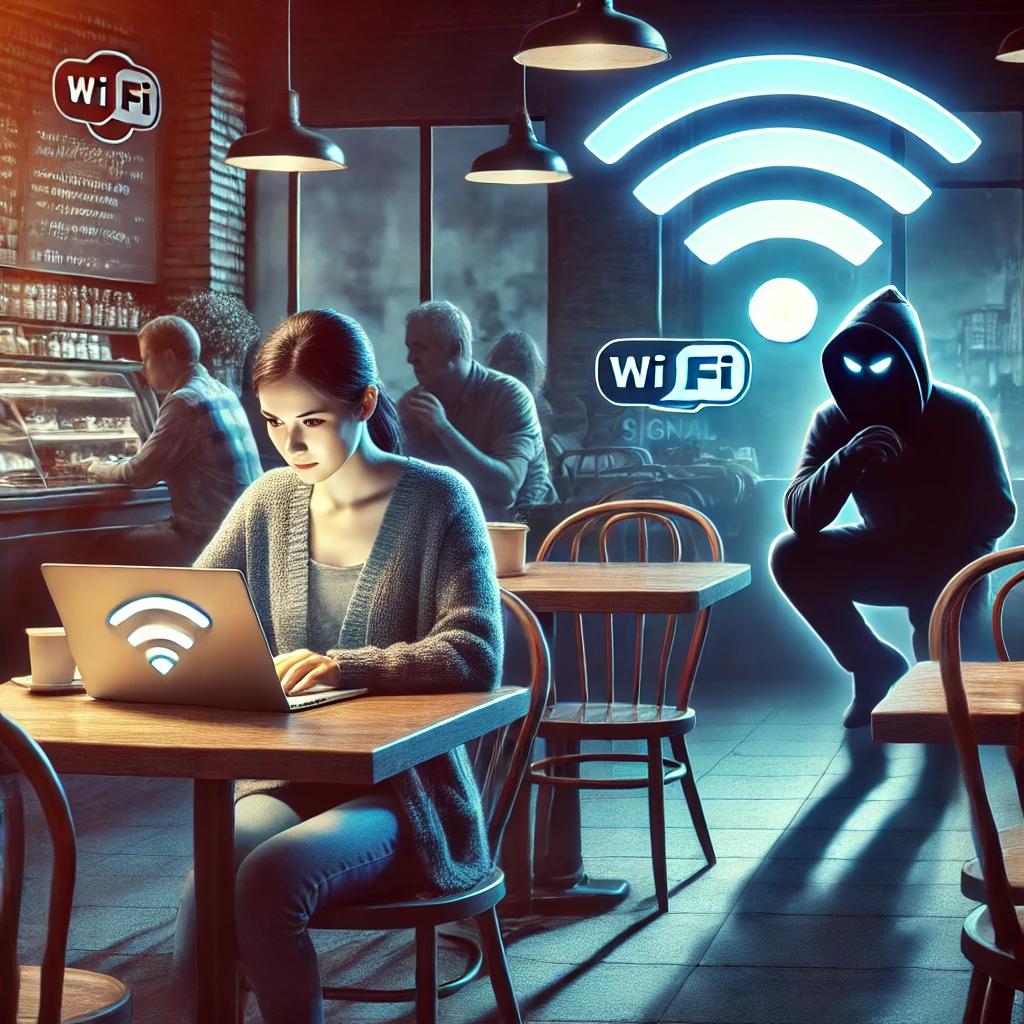
Free public WiFi may look convenient, but it can also be dangerous if you’re not careful.
Many people connect to public networks in cafes, hotels, airports, and public places without realizing the risks involved.
Why Public WiFi Can Be Dangerous
Public WiFi is often unsecured, which means hackers can easily access information being shared on the network.
This can expose:
- Your passwords
- Your emails
- Your bank details
- Your personal data
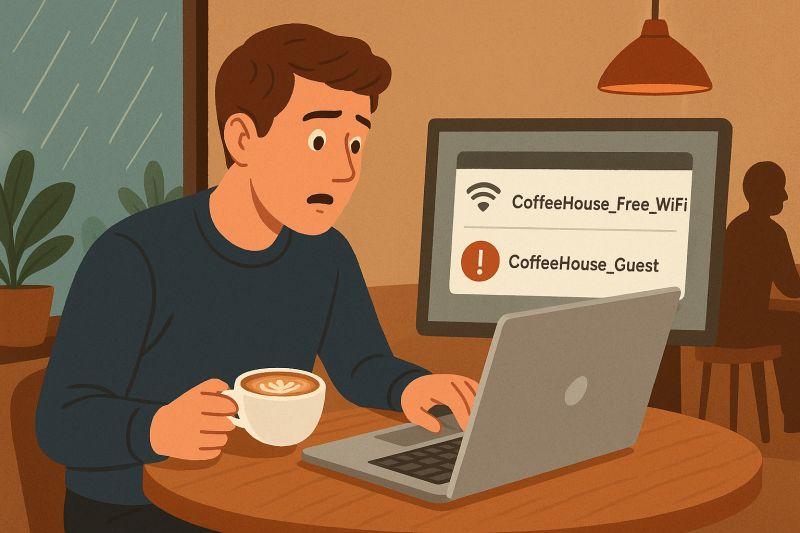
1. Fake WiFi Networks
Hackers sometimes create fake WiFi names that look real.
When you connect, they can monitor your activity and steal your data.
2. Data Interception
On unsecured networks, attackers can intercept data you send or receive.
This is known as a “man-in-the-middle” attack.
3. Malware Attacks
Some public networks can expose your device to malware.
This can damage your phone or steal information.
4. Unencrypted Connections
If a website is not secure (no HTTPS), your data can be exposed.
Always check before entering sensitive information.
How to Stay Safe
- Avoid logging into banking apps on public WiFi
- Use secure websites (https)
- Turn off file sharing
- Use a VPN if possible
- Forget networks after use
😳 Many people ignore these precautions and become victims without knowing.
Final Thoughts
Public WiFi is useful, but it should be used carefully.
Your personal data is valuable — protect it at all times.
Also read:
Online Scam in Nigeria: New Trick to Avoid 😳
Why Your Data Finishes Fast
Bookmark Cyberhub ICT and stay updated.
